
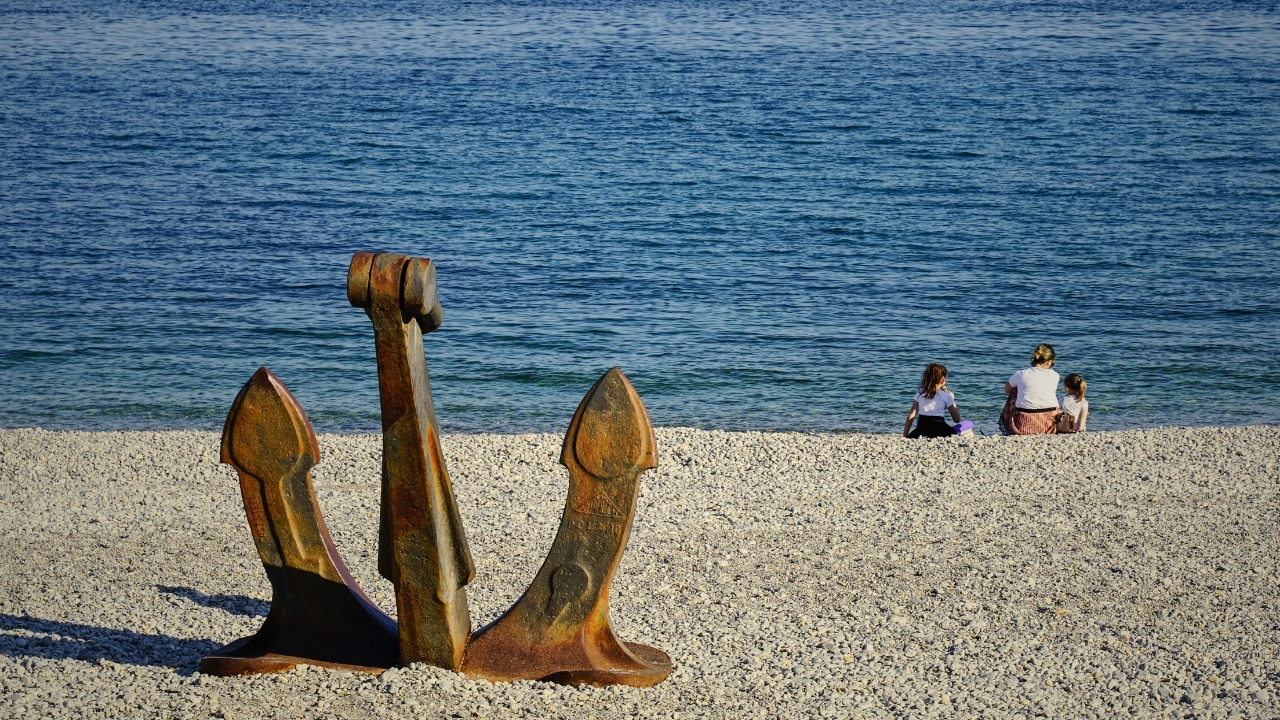
The Need for Anchoring: How Stillness Prepares Us for Movement
I’ve been thinking a lot lately about the things that keep us grounded when life feels completely out of our control.
Recently, I spent a week in the hospital with a family member who underwent triple bypass heart surgery. It was an exhausting experience, filled with lots of uncertainty, waiting, and helpless moments when there was nothing I could do to change the situation.
During that week, I found myself returning to a few familiar practices. Getting up early to run. Trying to eat reasonably healthy restaurant meals. Getting enough sleep. Staying connected with my family back home.
None of these things changed what was happening in the hospital. But they helped me feel a little more like myself, and a little more anchored to normalcy. But perhaps most importantly, they helped me be more present for the people who needed me.
Finding Stability in What We Can Control
In a recent conversation on the Leadership Vision Podcast with Dr. Linda and Brian Schubring, we explored what it means to be anchored.
In late September and early October, Brian completed two marathons in seven days and was navigating an unfamiliar three-week recovery period. A “purgatory” as he called it, when his sports doctor told him to slow way down. For someone who finds grounding through movement, being forced to slow down presented an unexpected challenge for him.
As Brian reflected on that experience, he said:
“We often believe and miscalculate how much time it takes for us to gain some type of regulation with our physical, emotional, intellectual, and spiritual selves.”
That struck me, because I am someone who likes quick fixes and short recovery time.
I’m reminded of the Stoic philosophy that Ryan Holiday explores in his writing, particularly the distinction between what we can and cannot control. We can’t control every circumstance, every diagnosis, or every unexpected phone call. But we can choose how we respond.
Similarly, the American Psychological Association similarly emphasizes maintaining healthy routines and focusing on what remains within our control during uncertain times.
For me, anchoring means identifying those small, consistent practices that help me remember who I am and what matters. It means being realistic about what I can control within those things, and what I cannot.
But there’s a tension here.
Sometimes my desire to maintain those routines can come at someone else’s expense. I am getting better at this, but If I insist on getting my run in regardless of what everyone else needs, am I actually grounded? Or am I simply trying to control something I shouldn’t?
Anchoring should make us more available to others, not less. And that’s the point.
Anchors Aren’t Meant to Hold Us Forever
During our conversation, I introduced a rock-climbing metaphor that I’ve continued thinking about. When a lead climber is going up a pitch, they put small anchors every 3 – 10 ft along the way, depending on difficulty. Those anchors provide protection and confidence as they move toward the next section.
But they aren’t permanent.
As the climbing partners progress, the second climber removes the temporary protection so it can be used again farther up the mountain. What I particularly appreciate about this image is that the anchors don’t just benefit the person who places them. They also help protect the person following behind.
And I think this metaphor applies not only to our leadership, but marriage, parenting, friendship, and beyond.
What could you plan today that would give you a moment of grounding?
When we establish healthy practices that ground us, we’re not simply helping ourselves. We’re creating greater stability for those who depend on us. And if they aren’t doing that, it’s a sign that we’re not creating the things we want.
Linda captured this beautifully:
“When I stop long enough to become anchored, people receive a more present Linda.”
So, we don’t anchor ourselves to escape life’s challenges. We anchor ourselves so we can meet those challenges with greater presence, clarity, and confidence. And sometimes, the most important thing we can do is recognize when it’s time to lift the anchor and move forward again.
What are the small, consistent practices that help you feel grounded? And how might those practices help you become more present for the people around you?
Perhaps the invitation this week isn’t to do more, but to identify one thing that helps you remember who you are, even when everything around you feels uncertain.
